Memory Lane
Memory Lane gathers projects that still shape how I work, even if they do not need a full case study. Some preserve a specific interaction. Others capture how I framed a problem, worked with a team, or learned by making.
I keep them here because their experiments, constraints, and lessons still influence how I approach new work. They are part of my design practice, alongside the larger launches.
Sales Workbench, Palo Alto Networks —
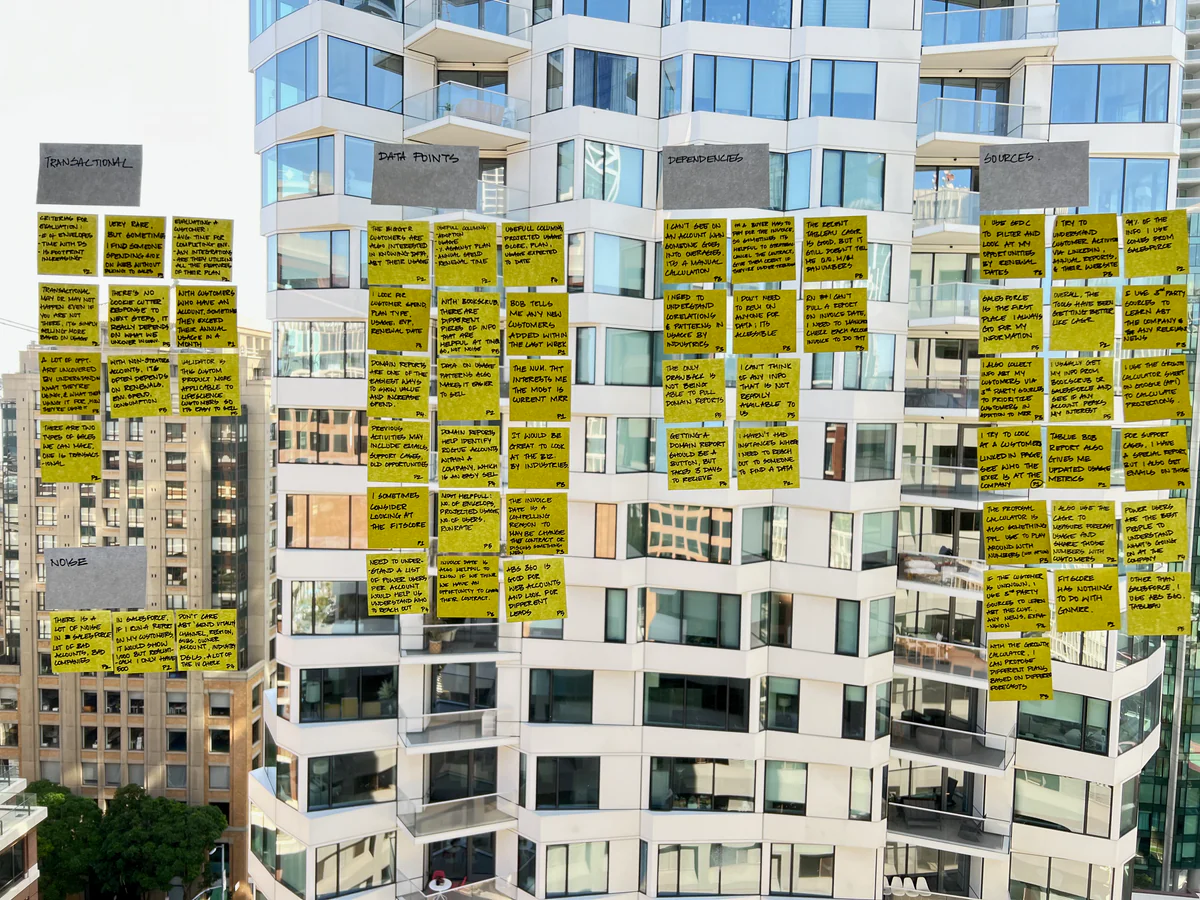
Referenced in the first case study, Defined the architecture and consolidation strategy for Sales Workbench, PANW’s platform supporting $3B+ in annual pipeline activity, turning standalone apps into atomic workflows that reduced cross-tool switching 40% and enabled decommissioning of 12 internal tools.
Platform Redesign, Luminoso —
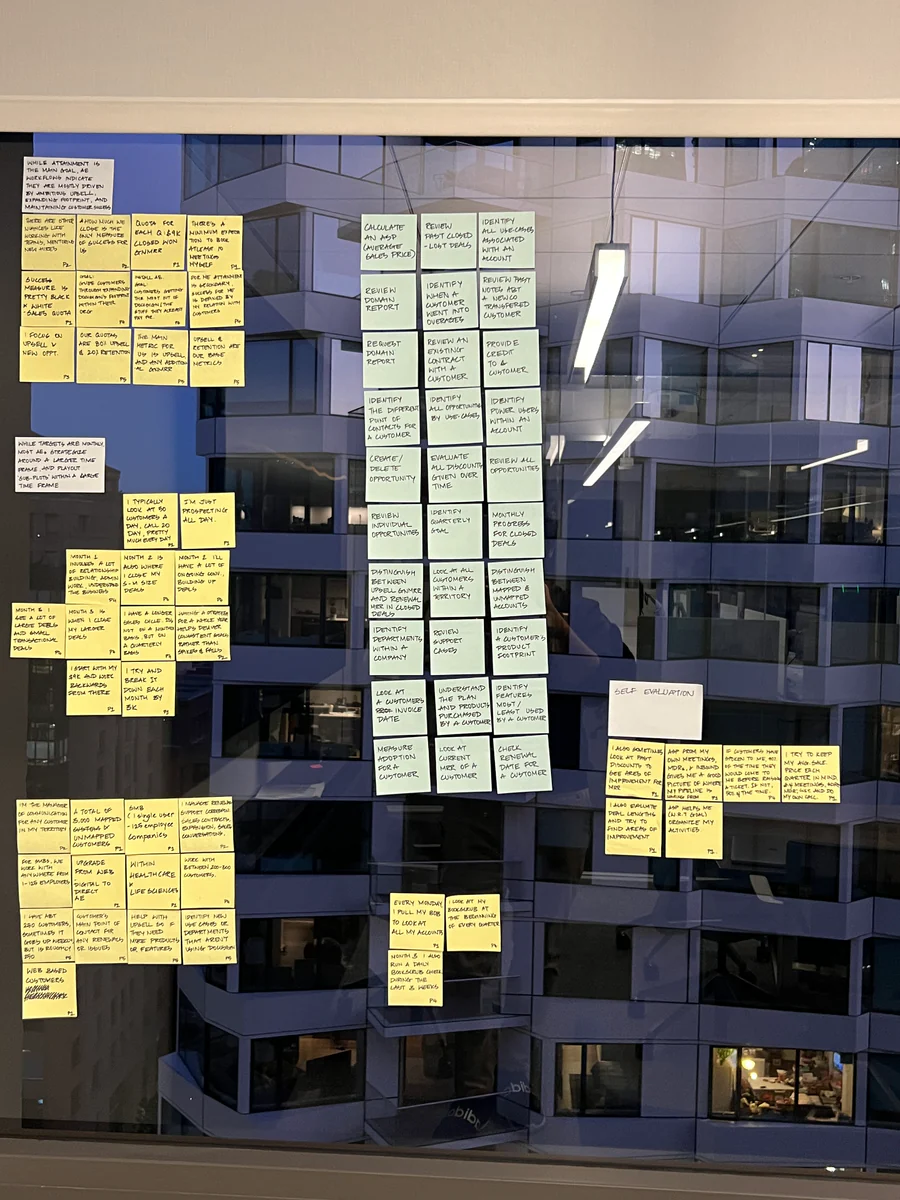
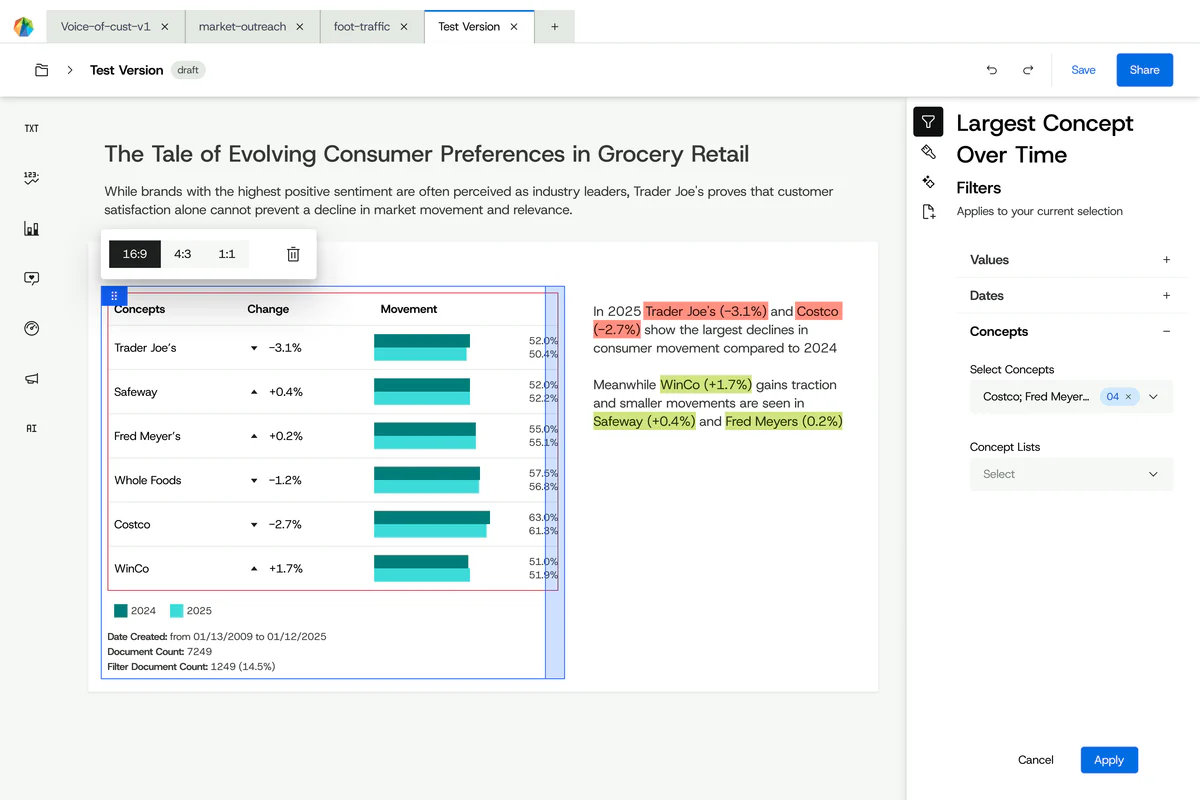
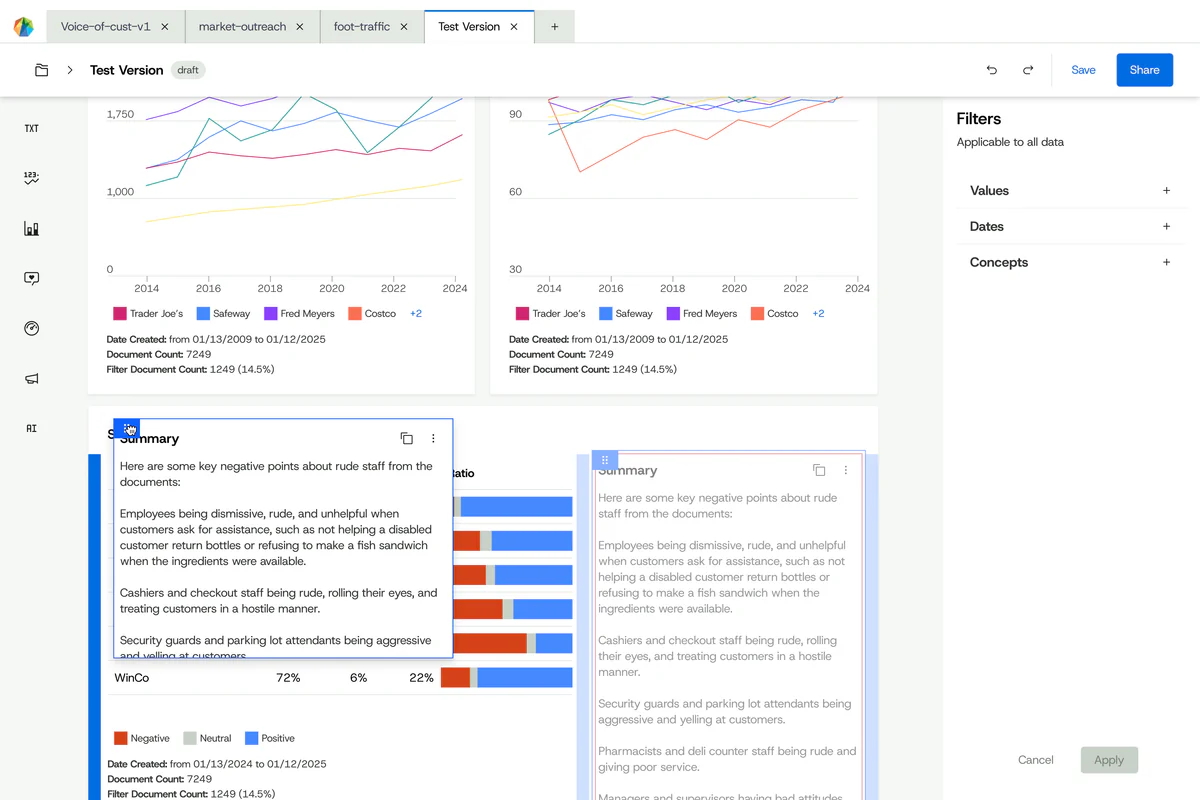
I designed a new experience for Luminoso, an AI text analytics platform that synthesizes large volumes of unstructured data. The project also involved exploring what synthesis means and what it means to make sense of abstract customer data. The project ultimately came to a halt due to a lack of funding.
Event Experiences, HBS AI Institute —
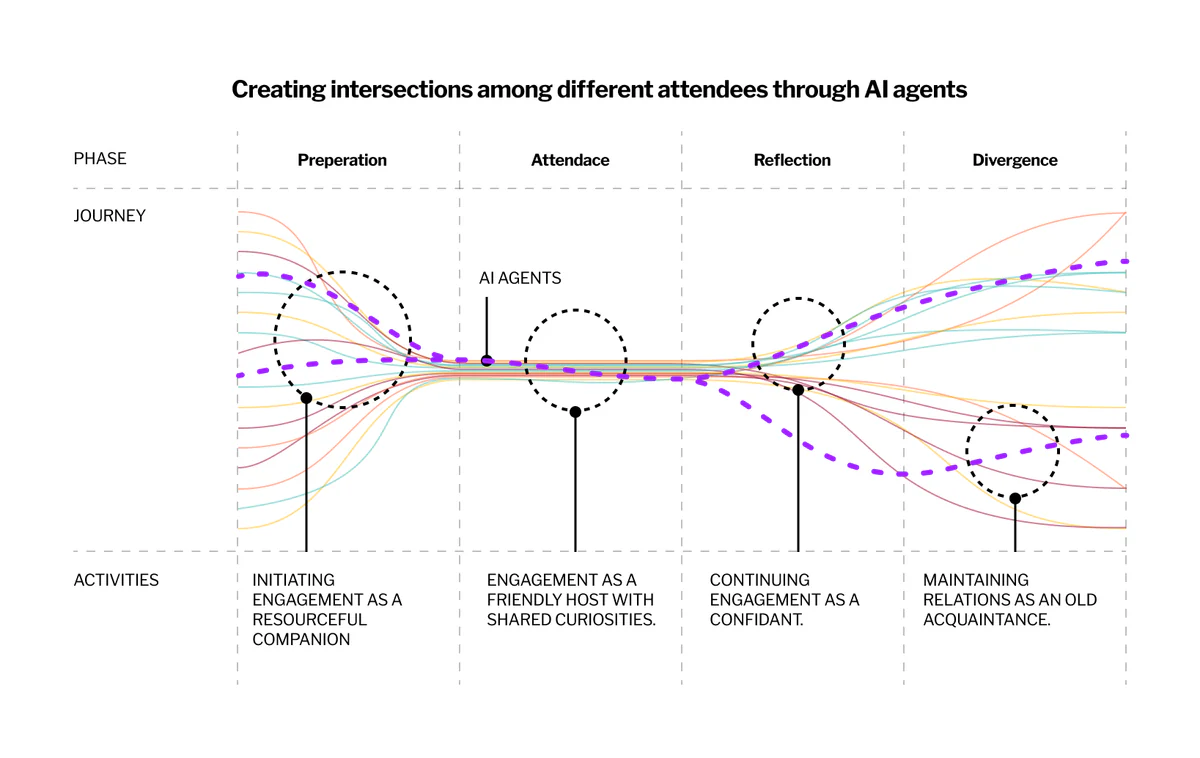
I led research to operationalize the human experience of attending HBS AI Institute events and designed ways to make those experiences feel more constructive for attendees.
Researcher Outreach Service, HBS AI Institute —
Intelligaia was commissioned by the HBS AI Institute to create experiences enabling researchers to share their work with industry professionals. My work involved exploring and assessing various tools, technologies, user experiences, and the entire service process.
Onboarding Redesign, Cisco Panoptica —
I redesigned Panoptica’s onboarding experience, contributing to a 26% increase in completion rate.
I evolved the experience from guiding users toward the next action to teaching them, through visuals, animations, concrete examples, and walkthroughs, what Panoptica could do and what they would gain from completing setup.
As a non-engineer designing for DevOps, SecOps, and technical managers, I had to understand unfamiliar technical concepts well enough to explain them clearly without diluting their meaning.
I defined the principles for an outcome-driven educational onboarding model that introduced Panoptica’s different capabilities as users moved through setup. I also used AI as a learning and translation aid to test analogies, build empathy for technical users, and refine copy that could work for engineers and non-engineers alike.
Platform Redesign, Cisco Ready —
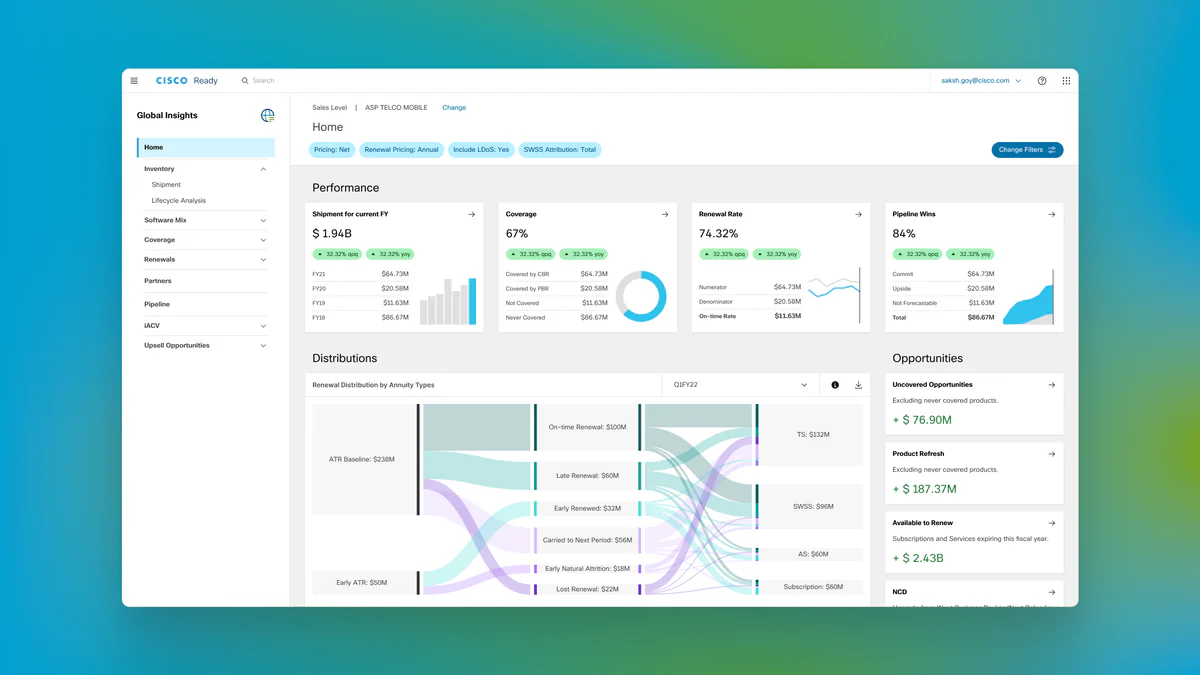
In addition to designing dashboard experiences, I designed a complete visual overhaul for the Cisco Ready team. This included redesigning interaction patterns, complete flows, and visual artifacts like icons and illustrations.
NLP Experiences, Cisco Ready —
As part of exploring the next phase of Cisco Ready, I designed speculative interaction models for combining natural-language input with conventional graphical interfaces built around pointing, clicking, and direct manipulation.
The prototype examined how users could use language to disambiguate intent or narrow a task, while retaining precise control through the interface whenever direct interaction was more efficient or reliable. The goal was not to replace the GUI with conversation, but to define how the two interaction modalities could hand off to one another within the same workflow.
Because this work predated generative AI, I used Google Actions as the conversational framework for prototyping these behaviors.
Trebuchet Trials, Microsoft Hacking STEM —
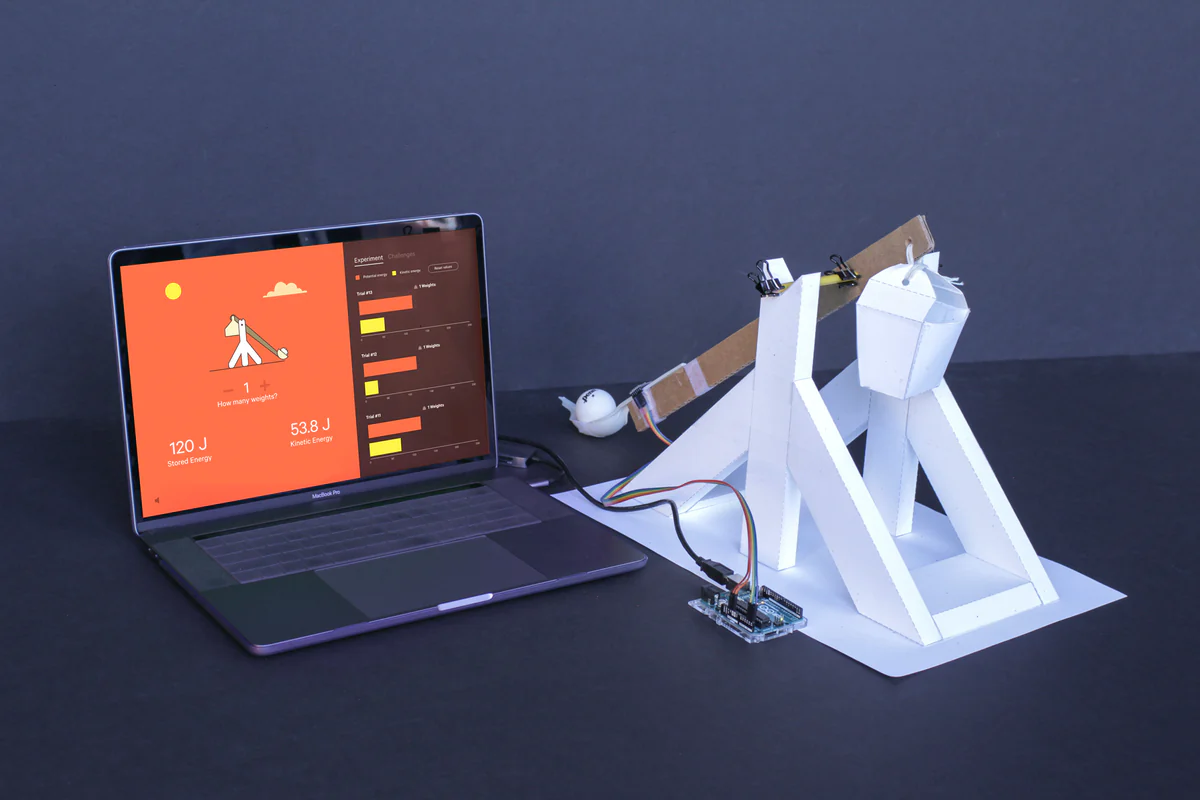
Trebuchet Trials was part of an MHCI+D and Microsoft Hacking STEM collaboration, for which my team and I received the “Best Design Implementation” award.
It was designed as an interactive learning kit priced under $15. Given the high hardware costs, my contribution was to design a trebuchet that could be constructed by 10-year-olds using paper, pencils, and tape.
It sounds simple from a distance, but it’s practically impossible when you get into the details, so this one still holds a special place in my memory.
Wexel, Premera Blue Cross —
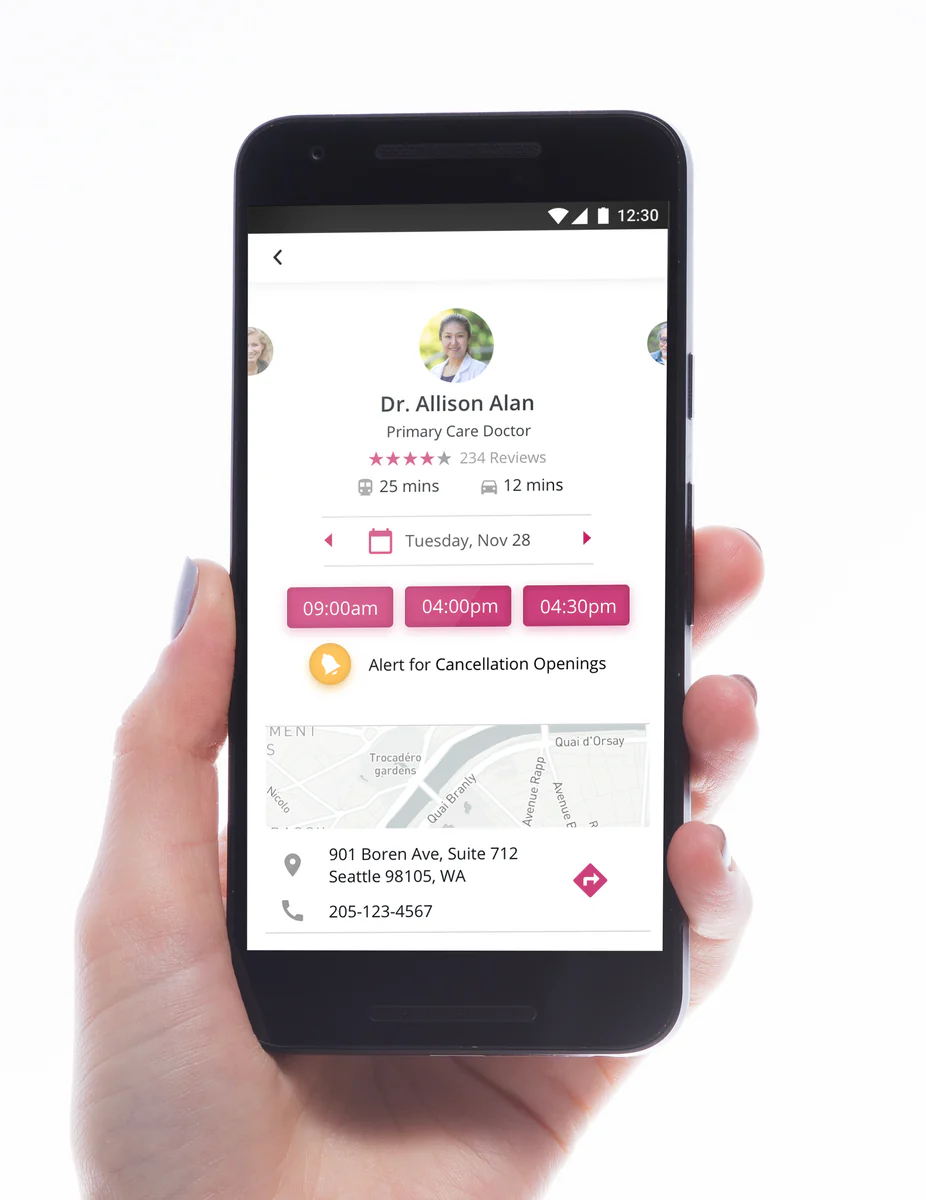
Wexel was an app designed to offer flexible booking options for caregivers.
To resolve a design problem, I went through 20 iterations, tested each one with real participants, and watched them try to “click the right button.”
It’s easy to take this as standard practice, but to a former architect, the ability to validate an idea with real users without actually building anything was like finding the ultimate cheat code in the most exciting game ever built.